

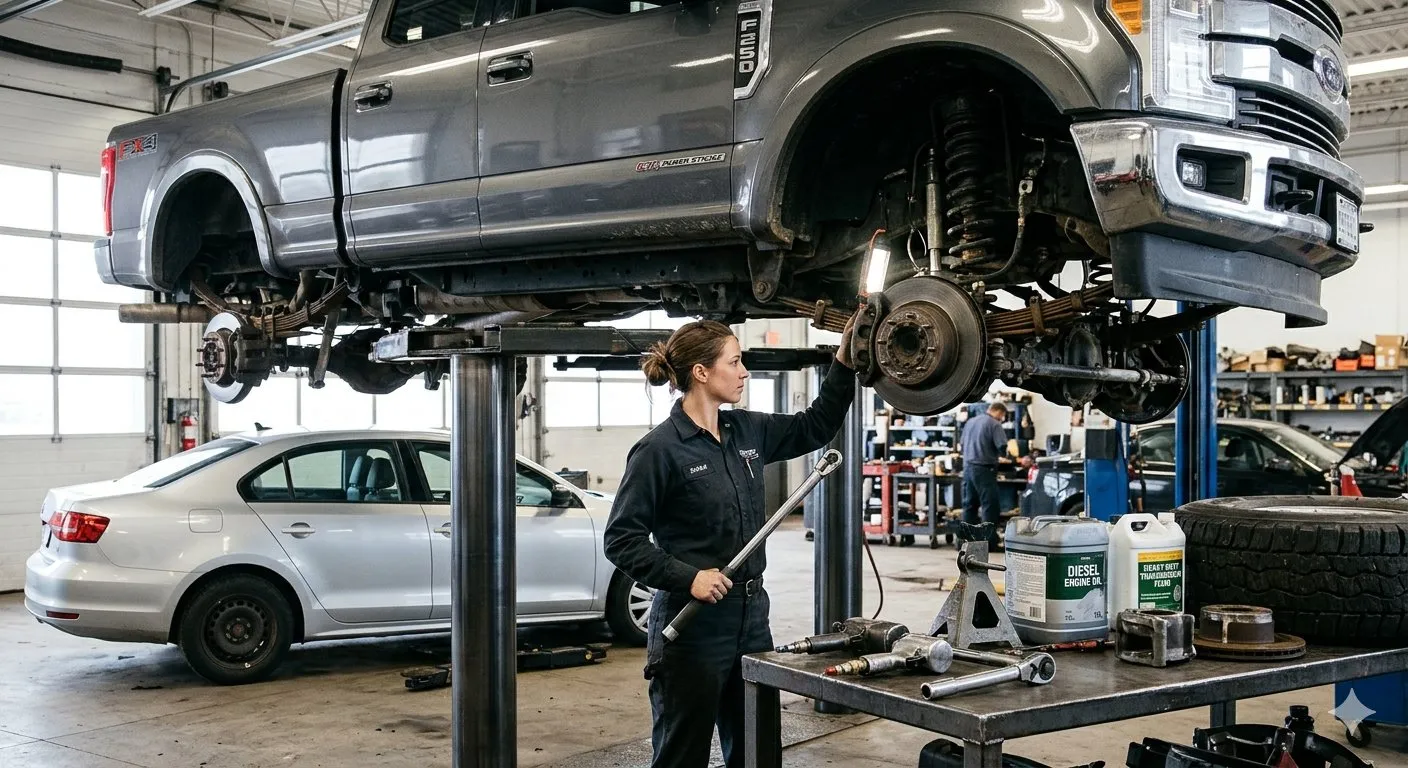
A pickup may share basic mechanical systems with a passenger car, but its workload can be very different. Cargo weight, towing, uneven surfaces, and long periods of idling affect how components are used. Buyers considering car and truck replacement parts should focus on the vehicle’s actual specification and duty cycle rather than assuming similar-looking items are interchangeable. Understanding these operating demands can help owners plan inspections, avoid overloading, and make repair decisions that support the vehicle’s intended work. This choice deserves care.
Workload Changes Wear Patterns
Two trucks of the same model can age differently if one carries landscaping equipment every day and the other handles occasional weekend errands. Loads affect suspension movement, tire wear, braking demands, and certain cooling conditions. Record the kind of use the vehicle sees and follow the manufacturer’s service guidance. An inspection should address actual symptoms rather than treating every truck as equally stressed. Work history gives context to wear that mileage alone cannot explain. Payload records and hauling habits help explain uneven component wear.
Towing Requires System Thinking
A trailer affects more than the hitch. Brakes, cooling, transmission operation, tires, mirrors, wiring, and load distribution may all be involved. Stay within published towing and payload ratings and verify that the equipment suits the specific configuration. An accessory advertised as heavy-duty does not increase the vehicle’s legal or engineered capacity. Before a towing season, inspect connection points and electrical functions. Qualified advice is valuable when loads are unusual, or equipment compatibility is unclear. Inspecting the towing setup helps identify components needing attention.
Suspension Parts Need Careful Matching
Trucks can have several suspension arrangements within one model family. Spring rates, shock mounting points, axle configurations, and optional packages may differ. Select replacements against vehicle-specific data rather than only the model badge. A part designed for another trim may change ride behavior or fail to mount properly. Inspect bushings, joints, and related hardware during diagnosis. Replacing one visible item without checking surrounding wear can leave the original handling complaint unresolved. Suspension choices should reflect operating loads and connected-component wear.
Braking Demands Deserve Respect
Repeated stops with cargo or a trailer can place considerable demand on braking systems. Monitor pedal changes, abnormal noises, warning indicators, and uneven braking. Identify the cause through proper inspection before choosing components. Brake specifications may differ by wheel size, axle, or equipment package, so precise fitment matters. After service, follow the applicable bleeding, bedding, and verification procedures. Drivers should never treat a braking concern as a cosmetic issue that can wait indefinitely. Braking concerns under heavy loads require professional assessment.
Electrical Accessories Need Planning
Work lights, trailer connectors, chargers, and other accessories add electrical complexity. Before installing anything, review circuit capacity, protection, grounding, and manufacturer instructions. An unreliable trailer light may stem from damaged wiring rather than the lamp itself. Avoid improvised connections that could create corrosion or overload. If a modification requires specialized electrical knowledge, use a qualified installer. Reliable accessory operation depends on the entire circuit, not just the item added at the end. Accessories need suitable wiring, circuit protection, and electrical capacity.
Maintenance Intervals Depend on Use
Stop-and-go operation, dust, heavy loading, and towing can affect maintenance requirements. Consult the owner’s manual for severe-service schedules when applicable instead of assuming a standard interval always fits. Check fluids, filters, belts, tires, and cooling systems according to use and condition. Record the work completed and the conditions that prompted it. This history helps an owner distinguish predictable service from an unexpected fault and supports better budgeting for busy periods. Inspection intervals should respond to the truck’s actual workload. This practical approach.
Check After the Job
Following repairs, verify the truck both unloaded and under permitted normal operating conditions, as appropriate and safe. Watch for changes in steering, braking, vibration, and warning messages. Some suspension jobs require alignment, while electrical work calls for functional testing of connected equipment. Document what was replaced and whether the reported issue disappeared. A repair is complete only when the original system performs properly, and any required follow-up checks have been made. A post-repair road test helps verify that handling problems are resolved.
Conclusion
Pickup maintenance works best when decisions reflect real work demands and the vehicle’s specific configuration. Towing, payload, suspension options, and accessory wiring create considerations that may be less prominent in ordinary passenger-car use. Proper diagnosis, manufacturer limits, and documented inspections should guide component selection. TeamVehicle may assist with researching appropriate parts after those requirements are established. An informed maintenance plan supports both safety and reliable service without assuming every truck needs the same upgrades. The same principle applies to future maintenance decisions.