

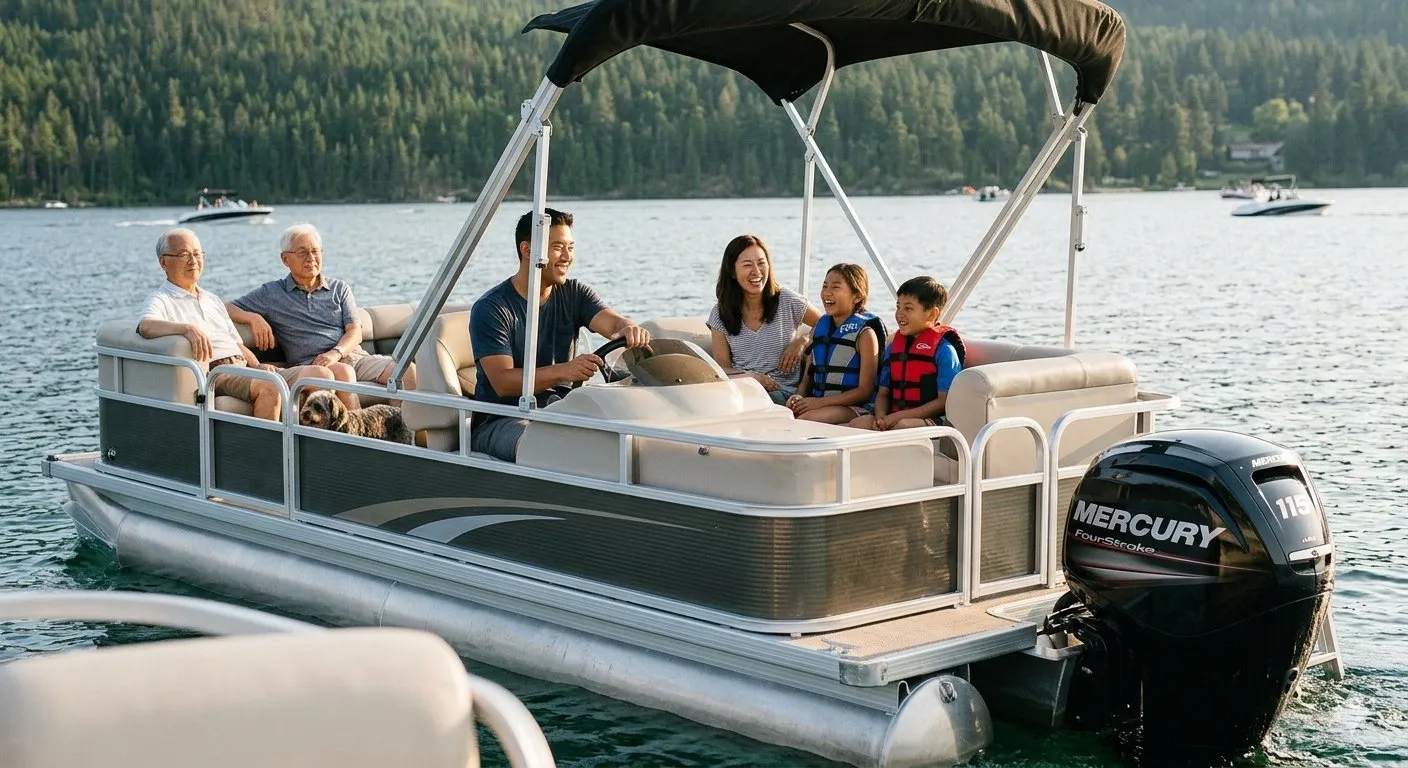
Family boating is about shared memories: sandbars, swimming stops, picnic lunches, and kids squealing behind a tube. The engine behind those moments should feel dependable and easy to live with. If a Mercury outboard sits on your shortlist, this guide explains how mid-range power fits busy households and what to look for before buying.
Why Mid-Range Is the Family Sweet Spot
Mid-range engines offer enough muscle to lift a loaded boat onto plane without the fuel appetite and cost of the biggest models. They suit most runabouts, bowriders, and family fishing boats very well indeed. This flexibility is the quiet strength of the middle of the range. A calm, steady choice here makes later decisions easier.
That balance matters when your crew changes from trip to trip. Some days it is two adults, and other days it is six people plus coolers and towels. A flexible engine handles both without any drama.
Think About Everyone Aboard
Grandparents, toddlers, and teenagers all experience a boat differently. Smooth acceleration, quiet running, and gentle handling make the ride comfortable for passengers who are less experienced or a little nervous around the water. Ask passengers what they enjoyed most after the first few trips.
Sudden jerks and loud engine noise can spoil the mood quickly. Choose a motor known for gentle throttle response, and test-drive similar setups if you can. Comfort is a feature, not a luxury. A happy crew makes every trip better.
Starting Reliability Matters Most
Nothing frustrates a waiting family like an engine that sulks at the dock. Reliable starting, whether hot or cold, keeps spirits high and the schedule on track. Electric start and push-button convenience are worth having.
Look at battery capacity and charging systems too. Fish finders, stereos, and phone chargers all draw power. A healthy electrical setup ensures the fun never fades just because something quietly ran flat. Spend a few minutes learning the dashboard before the first big trip.
Safety Features to Insist On
Always use the kill-switch lanyard, and make sure every adult knows how it works. Add a horn, flares, fire extinguisher, and properly sized life jackets for every passenger, including children who need special fits. Practice the emergency routine until it feels like second nature.
Choose an engine with clear controls and a proper neutral safety interlock, which prevents starting while in gear. Small design features like these protect families from accidents that can happen in just seconds. Comfort and confidence usually go hand in hand on the water.
Water Sports and Fuel Economy
Tubing and wakeboarding call for strong low-end punch, while relaxed cruising rewards efficiency. Think about which activity dominates your weekends, and select power that supports it without being excessive.
Many families split their time between both. If so, aim for the middle of your boat’s rated range. You will have enough thrust for water toys and still manage reasonable fuel use during calm sightseeing days. Be honest about how often you will really chase the thrills.
Shopping Smart for Power
Browsing a range of outboard motors for sale gives you a realistic idea of what mid-range power costs. Compare specifications like weight, gear ratio, and alternator output, not just horsepower, so you find the best match. Details like these separate a pleasant purchase from a frustrating one.
Talk to other families at the ramp. Their experience with fuel use, starting habits, and service support is often more honest than advertising. A few friendly conversations can save you significant money.
Budget and Value for Busy Households
Families juggle many expenses, so value matters more than bragging rights. Add up the engine, fuel, storage, and routine service before deciding. A slightly pricier model with lower running costs may serve your household better in the long run.
Set a monthly boating budget, and stick to it. Knowing the number in advance prevents impulse upgrades. It also makes it easier to enjoy every outing without wondering what the weekend just cost you. Patience and praise go a long way with young skippers.
Conclusion
Boating is a skill best learned early. Let older children practice docking and steering under supervision, and explain how the engine works. Confidence grows quickly when kids feel trusted with small responsibilities.
Take a safe boating course together if one is available locally. Shared knowledge makes everyone more alert, and it turns every outing into a chance to build lifelong respect for the water.