

There’s a certain moment every car enthusiast recognizes. It’s late, maybe after work, the garage door rolls shut, and the world goes quiet except for the sound of cooling metal. You stand there thinking about what could be better—not because the car isn’t fast enough already, but because it hasn’t fully become yours yet. That’s usually where performance upgrades start, and for many people, downpipes are high on that list.
Before getting into the technical weeds, it’s worth saying this clearly: performance modifications aren’t just about numbers on a dyno. They’re about how a car feels, how it responds, and how confident you are when you press the throttle. The same mindset that goes into building something solid and purposeful—like the structures highlighted on https://metalprobuildings.com/—is what drives people to refine what’s under the hood. Strength, flow, durability. Different industries, similar philosophy.
Downpipes sit right at the crossroads of sound, power, and emissions. They’re not flashy parts you show off at a meet, but you feel their impact every single time you drive.
What a Downpipe Really Does (Without the Hype)
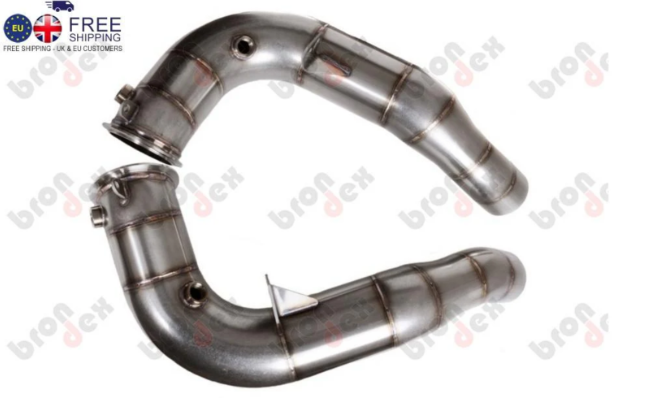
At its core, a downpipe connects the turbocharger to the rest of the exhaust system. Simple enough. But that small stretch of metal plays a huge role in how efficiently exhaust gases leave the engine. The smoother and less restrictive that path is, the easier it is for the turbo to do its job.
Factory downpipes are built to satisfy a long checklist: emissions compliance, noise regulations, cost targets, longevity for daily drivers who never plan to modify anything. Performance downpipes, on the other hand, are built with flow in mind. Wider diameters, smoother bends, higher-quality materials, and in many cases, high-flow catalytic converters—or none at all.
The result isn’t just more horsepower. It’s quicker spool, sharper throttle response, and an exhaust note that finally matches the attitude of the car.
Living With the Upgrade: Daily Driving Reality
One thing that doesn’t get talked about enough is how a downpipe affects everyday driving. Yes, wide-open throttle pulls are more exciting, but most of your time is spent cruising, idling, or navigating traffic.
A well-designed setup shouldn’t feel obnoxious or raw unless that’s what you’re after. Drone, harsh vibrations, or constant exhaust smell can ruin the experience quickly. This is why quality matters. Precision welds, proper fitment, and thoughtful engineering make the difference between a car that feels refined and one that feels unfinished.
It’s the same logic you’d apply when choosing materials for a long-term structure: cut corners early, and you’ll feel it later.
The Exotic End of the Spectrum
High-performance SUVs and supercars live in a strange space. They’re expected to be comfortable and wild at the same time. That’s why upgrades like a urus downpipe attract so much attention. Owners aren’t trying to turn the vehicle into something it’s not—they’re trying to unlock what’s already there.
With the right setup, the sound becomes deeper and more aggressive without losing composure. Turbo lag tightens up. The vehicle feels lighter on its feet, even if the scale says otherwise. For a platform that already offers massive performance, small efficiency gains can translate into a noticeably different driving character.
German Muscle, Refined Power
On the other end of the spectrum sits the classic grand touring performance car. Big engine, serious torque, and a balance between luxury and aggression. That’s why bmw m6 downpipes remain such a popular modification among owners who want more presence without sacrificing the car’s identity.
The M6 isn’t about being loud for the sake of it. It’s about controlled power. A quality downpipe setup helps the engine breathe more freely, making acceleration feel smoother and more immediate. Paired with the right tune, it can transform the car from “fast” to “effortlessly fast,” which is exactly what the platform is known for.
Materials, Craftsmanship, and Long-Term Thinking
Stainless steel, mandrel bends, precise flanges—these details aren’t marketing fluff. They’re what determine whether a downpipe lasts years or starts rattling, cracking, or corroding far too soon. Heat cycles are brutal, especially in turbocharged engines. Poor-quality materials don’t forgive mistakes.
This is where a builder’s mindset really matters. Just like structural components in metal construction, exhaust parts need to handle stress without compromise. Strength and flexibility must coexist. When they don’t, problems show up quickly.
Tuning, Emissions, and Being Realistic
It’s impossible to talk about downpipes without mentioning tuning and legality. Many performance setups require ECU adjustments to avoid check engine lights and to fully take advantage of the improved flow. Skipping this step often leads to disappointment.
Emissions laws vary widely depending on location, and ignoring them can create issues down the road—sometimes literally. Responsible modification means understanding the trade-offs and making informed choices rather than chasing the loudest or cheapest option available.
Why These Mods Still Matter
In an era of electrification and increasingly digital driving experiences, mechanical modifications feel almost rebellious. They’re tactile, physical changes you can hear and feel. They remind you that engineering still matters, that airflow and pressure and heat are real forces you can shape.
A downpipe isn’t just a part. It’s a statement about how you want your car to behave—and how much thought you put into building something that lasts.
Final Thoughts
Performance upgrades are deeply personal. What works for one driver may not make sense for another. But when done thoughtfully, with quality and purpose in mind, modifications like downpipes enhance more than just performance. They deepen your connection with the machine.
Whether you’re refining a luxury performance car or pushing the limits of an exotic platform, the goal is the same: build something solid, efficient, and true to its purpose. That philosophy doesn’t just apply to cars—it applies to anything built to endure.